Posted on

How to Store Wine Properly
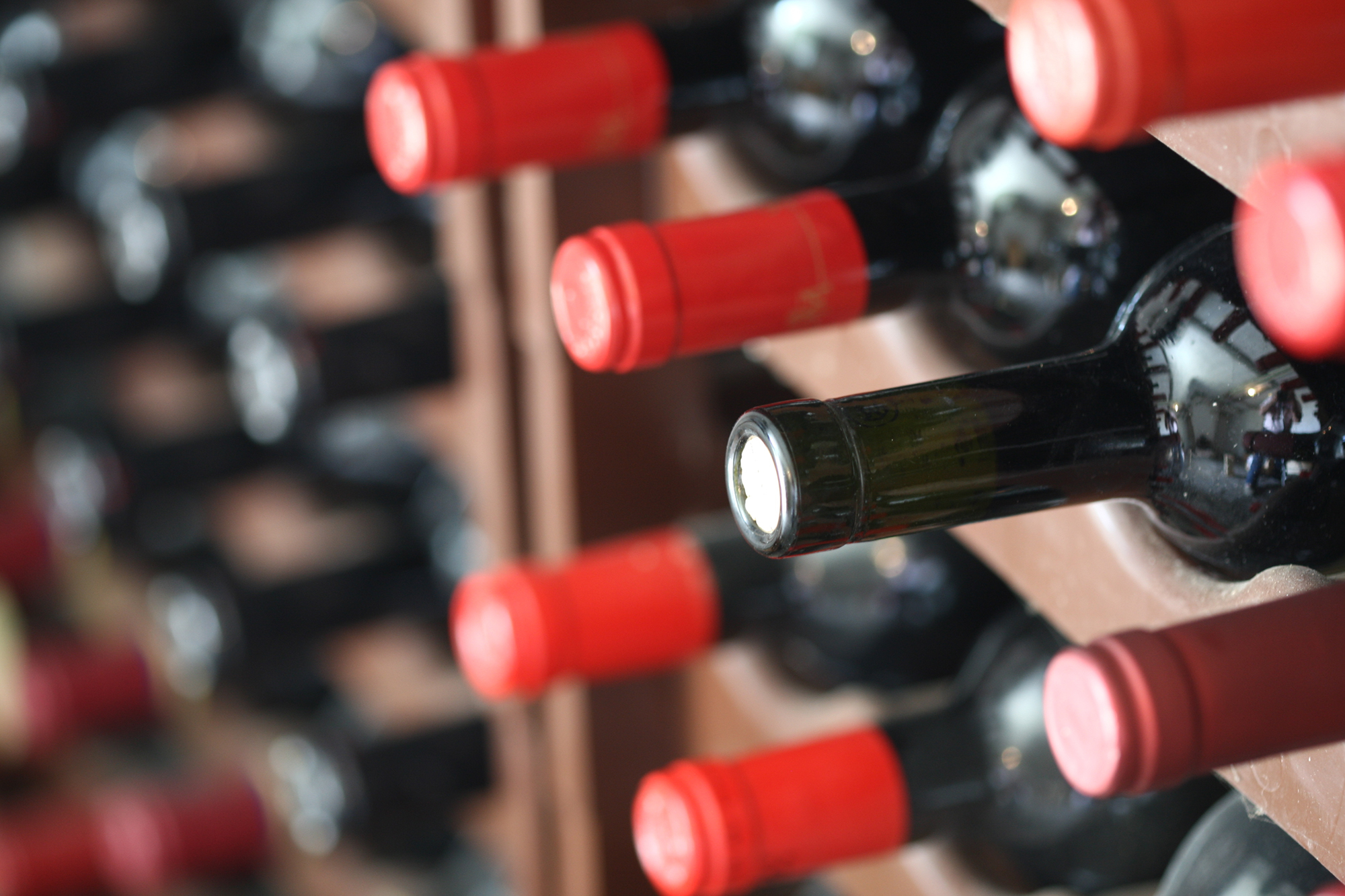
So, let’s break down the essentials of wine storage, from short-term solutions to long-term cellaring.

1. KEEP WINE AT THE RIGHT TEMPERATURE

Temperature is the most crucial factor when storing wine. Too hot, and the wine will age too quickly; too cold, and it could freeze or develop off flavours.

• Ideal storage temperature: 10-15°C.
• Short-term storage (a few months): A stable, cool spot works fine.
• Long-term ageing (years): Consistency is key – avoid temperature fluctuations.

If wine gets too warm, the liquid expands, pushing against the cork, which can lead to oxidation. On the other hand, if it gets too cold, corks can contract, allowing air in and spoiling the wine.

Quick tip: If you don’t have a temperature-controlled wine fridge, find a cool, dark place away from heat sources like radiators, ovens, or direct sunlight.


Wines sealed with a natural cork should always be stored horizontally. This keeps the cork moist, preventing it from drying out and letting in air, which can spoil the wine.

• Wines with screw caps or synthetic corks can be stored upright without any issue.
• If you’re drinking the bottle within a few weeks, vertical storage is fine.

Quick tip: If you have limited space, a wine rack is a great investment to keep bottles neatly stored on their side.


3. KEEP WINE AWAY FROM LIGHT

UV rays can damage wine, breaking down its delicate compounds and leading to ‘light strike’ – which causes unwanted chemical reactions that ruin the flavour.

• Best practice: Store wine in a dark place or a cupboard.
• If you don’t have a dedicated wine fridge, a low-light room or a box in the pantry works well.
• Champagne and sparkling wines are particularly sensitive to light – always keep them away from direct exposure.

Quick tip: If your wine collection is stored in a bright room, use UV-protected glass or a dark cover to shield the bottles.


4. CONTROL HUMIDITY LEVELS

Wine needs the right humidity to protect the cork. Too much moisture can lead to mould, while too little can dry out the cork and let air into the bottle.

• Ideal humidity range: 50-70%
• If your storage area is too dry, a small dish of water nearby can help maintain moisture.
• Too much humidity? A dehumidifier can prevent mould from forming.

Quick tip: A wine fridge or cellar naturally regulates humidity, making it the best long-term solution.


5. MINIMISE VIBRATIONS AND MOVEMENT

Excess movement can disturb the ageing process, particularly for fine wines. Vibrations from appliances, loud music, or constant handling can disrupt the wine’s natural sedimentation and development.

• Best practice: Store bottles in a stable place with minimal movement.
• Avoid keeping wine on top of a fridge or near washing machines.
• If you’re ageing wine, leave it undisturbed to let it develop naturally.

Quick tip: Once a bottle is placed in storage, try not to shake or move it too often.

SHORT-TERM STRAGE (UP TO 6 MONTHS)

If you’re keeping bottles for near-term enjoyment, a cool, dark cupboard or wine rack will do just fine.

• Room temperature is okay for reds that will be consumed within a month.
• Whites, rosés, and sparkling wines are best kept chilled in the fridge.
• Screw-cap wines don’t need as much humidity control.

Quick tip: Always let red wine come to the right serving temperature before drinking – don’t serve it straight from a cold storage space.

LONG-TERM STORAGE (6 MONTH – YEARS)

For wines meant to age, more controlled conditions are needed.

• Wine fridges are the best alternative if you don’t have a cellar.
• Temperature, humidity, and light exposure should remain stable.
• Proper ageing can enhance flavours, but only wines with good structure, acidity, and tannins are built for long-term cellaring.

Quick tip: If you’re investing in fine wines for ageing, consider a professional wine storage facility.

Once a bottle is opened, oxidation starts breaking down the wine, but you can slow this process to keep it fresh for longer.

• Reseal the bottle tightly – A vacuum wine stopper works best.
• Keep it in the fridge – Even red wine! This slows oxidation.
• Use an inert gas wine preserver – These replace oxygen with a neutral gas to prevent spoilage.

GENERAL SHELF LIFE AFTER OPENING:

• Red wine: 3-5 days (store with a vacuum seal in the fridge)
• White & rosé wine: 3-5 days (fridge is a must)
• Sparkling wine: 1-3 days (use a Champagne stopper)
• Fortified wine: Several weeks to months (thanks to higher alcohol content)

Read more in our wine basics guide on how long wine lasts once opened.

• Storing wine in the kitchen – Temperature fluctuations from cooking can ruin it.

• Keeping wine upright for too long – Corks dry out, allowing oxidation.
• Putting wine in the fridge for months – Regular fridges are too cold and dry for long-term storage.
• Exposing wine to strong odours – Wine can absorb smells from things like garlic and cleaning products if stored nearby.

Whether you’re storing a bottle for the weekend or planning to age fine wine for years, the right conditions make all the difference. By keeping wine at a stable temperature, shielding it from light, and ensuring proper humidity, you can preserve its integrity and enjoy every bottle at its best.

After all, wine is made to be savoured – not spoiled!

Posted on

How to Taste Wine Like a Pro

Before you even take a sip, the way a wine looks in the glass gives clues about its style, age, and even its body.

How to assess it:
• Hold the glass against a white background in good light.
• Look at the hue (colour) – is it pale, medium, or deep?
• Observe the clarity – is it clear and bright, or hazy?
• Check the viscosity (legs or tears) – after swirling, does it leave streaks running down the inside of the glass? More legs suggest higher alcohol or sugar content.

What does it reveal?
• White wines get darker with age, going from pale lemon to deep gold and amber.
• Red wines fade over time, shifting from purple or ruby to garnet and brown.
• Rosé wines range from pale salmon to deep pink and lose vibrancy with age.

This quick glance already tells you something about the wine’s age, alcohol level, and intensity before you even smell it.


STEP 2: SWIRL – UNLOCKING THE AROMAS

Swirling might look fancy, but it serves a real purpose. It helps release the wine’s aromas by increasing oxygen contact, allowing volatile compounds to rise.

How to swirl like a pro:
• Place the base of your glass on the table and gently rotate it in circles.
• If you’re confident, hold it in the air and swirl with your wrist.
• Watch the wine coat the sides – this also reveals viscosity.

Now, you’re ready to take in the aromas.


STEP 3: SMELL – THE NOSE KNOWS

Smelling wine is one of the most important steps in tasting, as aroma accounts for much of what we perceive as flavour.

How to do it:
• Stick your nose into the glass and take a slow, deep sniff.
• Try short sniffs, then step back and think about what you detect.
• If it’s hard to pinpoint scents, swirl again and take another sniff.

What are you looking for?
Wine aromas can be split into three main categories:

1. Primary aromas (from the grape) – These come from the grape itself and include fruity, floral, and herbal notes.
• Citrus, apple, tropical fruit (white wines)
• Red berries, black fruits, or floral notes (red wines)

2. Secondary aromas (from winemaking) – These come from fermentation and ageing.
• Buttery, yeasty, or nutty notes from oak or lees contact
• Vanilla, toast, and spice from barrel ageing

3. Tertiary aromas (from ageing) – These develop over time in the bottle.
• Leather, tobacco, dried fruit, mushroom, honey

Quick tip: If a wine smells like vinegar or wet cardboard, it may be faulty (corked or oxidised).


STEP 4: SIP – TASTING THE FLAVOURS & STRUCTURE

Now, for the best part – taking a sip! But don’t just swallow – hold the wine in your mouth for a moment to explore its structure.

How to taste properly:
• Take a small sip and let it coat your tongue.
• Gently swish it around like a mouthwash, noticing how it feels in your mouth.
• If you want to taste like a sommelier, take in a little air through your lips (this helps open up the flavours).

What are you looking for?
• Sweetness: Is it bone dry, slightly off-dry, or sweet?
• Acidity: Does it make your mouth water? High-acid wines feel crisp and refreshing.
• Tannins (in reds): Do they make your mouth feel dry and grippy, or are they soft and smooth?
• Body: Does the wine feel light, medium, or full on your palate?
• Alcohol: Is there a warming sensation at the back of your throat?
• Flavours: Do they match the aromas you smelled earlier?


STEP 5: SAVOUR – THE FINISH & AFTERTASTE

After you swallow (or spit, if tasting multiple wines), pay attention to how long the flavours linger.
• A short finish disappears quickly.
• A long finish means the flavours evolve and stay with you – often a sign of high-quality wine.
• Some wines change after swallowing, revealing more complex layers.

A great wine leaves a lasting impression, making you want to go back for another sip.


STEP 6: SCORE – EVALUATING THE WINE

If you want to keep track of what you like (and why), scoring wines can be useful. Professionals use formal scoring systems, but you can create your own based on key elements:

How to score a wine like a pro:
• Appearance (1-5 points): Colour, clarity, and intensity.
• Aroma (1-10 points): How expressive and complex are the scents?
• Taste & structure (1-10 points): Balance of sweetness, acidity, tannins, alcohol, and body.
• Finish (1-5 points): Short or lingering?
• Overall impression (1-10 points): How enjoyable and well-made is it?

Most wine critics use a 100-point scale, where anything above 85 is considered good, and 90+ is exceptional. But even a simple rating out of 5 stars works if you’re just keeping personal notes.

By following the six S’s – Sight, Swirl, Smell, Sip, Savour & Score – you’ll start to develop a more refined palate, understanding not just what you like but why you like it. And remember, the more you taste, the better you’ll get at detecting those subtle nuances – from the crisp bite of acidity in a Chablis to the velvety tannins of a well-aged Bordeaux.

A few extra pro tips:
✅ Use the right glass – A well-shaped glass enhances aromas and flavours. See our guide on which wine glasses to use.
✅ Taste in order – Start with whites before reds, light before heavy, and dry before sweet.
✅ Don’t rush – Take your time; wine tasting is about appreciation, not speed.
✅ Trust your senses – There’s no right or wrong answer – taste is subjective!

🍞 The Power of Bread – Ever wondered why wine tastings often provide plain bread? It helps reset your palate between sips, clearing lingering flavours so you can properly assess the next wine.

🤧 Sickness Strikes the Senses – If you’ve got a cold or blocked nose, your ability to taste wine is massively reduced. Since most of what we perceive as ‘flavour’ actually comes from smell, a stuffy nose means you’re missing out on half the experience!

🍽️ Good Pairings Unlock Flavours – The right food pairing can completely transform a wine. A sharp, acidic white cuts through rich, creamy dishes, while tannic reds soften alongside fatty meats, creating the perfect balance on your palate.

Posted on

How to Read Wine Labels Like a Pro

Wine labels can be a mystery to the untrained eye. With a mix of foreign words, percentages, and unfamiliar regions, it’s easy to feel overwhelmed. But once you know what to look for, a wine label becomes a roadmap, guiding you to the perfect bottle for your taste.

So, let’s break it down and help you navigate a wine label with confidence.

A wine label tells you more than just the name of the bottle – it offers clues about the wine’s quality, origin, grape variety, alcohol content, and even how it might taste. Different countries have different labelling rules, but the key elements remain the same.

Understanding these details means you’ll be able to pick wines you love, avoid ones you don’t, and even spot a bargain when you see one.

1. THE PRODUCER OR BRAND NAME

This is the name of the winery, estate, or brand that made the wine. It could be a well-known producer, like Château Margaux or Domaine de la Romanée-Conti, or a more commercial brand like Yellow Tail.

• Estate wines (where the grapes are grown and produced at the same winery) tend to be of higher quality.
• Some regions list the château, domaine, or vineyard name instead of a brand.

Quick tip: Recognising producers can help you find consistently good wines from names you trust.


2. THE WINE NAME OR CUVÉE

Some wines have a special name given by the winemaker, such as ‘Misty Peak‘ or ‘Faultline‘. Others may include ‘Reserve’, ‘Prestige’ or ‘Selection’, which don’t always have legal definitions but often suggest a higher-tier wine from that producer.

• In Old World regions (like France or Italy), wines are often named after their location (e.g. Chablis, Barolo).
• In New World countries (like the US or Australia), wines are more likely to be named after the grape variety (e.g. Cabernet Sauvignon, Shiraz).

Quick tip: If a wine doesn’t list the grape, look at the region – European wines are often named after where they’re from, and certain places are famous for specific grapes.


3. THE GRAPE VARIETY

Many wines, especially from the New World, clearly state the grape used, such as Chardonnay or Malbec. European wines, however, often assume you know the grapes associated with their regions.

For example:
• Sancerre (France) → Sauvignon Blanc
• Chianti (Italy) → Sangiovese
• Rioja (Spain) → Tempranillo

If a label lists multiple grapes, it’s a blend. Some famous blends include:
• Bordeaux Blend: Cabernet Sauvignon, Merlot, Cabernet Franc
• Châteauneuf-du-Pape: Grenache, Syrah, Mourvèdre (and others)

Quick tip: If you’re unsure about the grape, a quick search on the region can help you understand the style.


4. THE VINTAGE (YEAR OF HARVEST)

The vintage is the year the grapes were harvested. It matters because weather conditions change from year to year, affecting the wine’s flavour, quality, and ageing potential.

• Good vintage years mean better wines (and often higher prices).
• No vintage (NV) means the wine is a blend of multiple years, which is common in sparkling wines like Champagne.

Quick tip: If you’re buying fine wine for ageing, check vintage charts to see which years were the best for that region.


5. THE REGION AND APPELLATION

This tells you where the grapes were grown. Some regions have stricter rules than others, which can indicate quality.

Examples of well-known appellations:
• France: Bordeaux, Burgundy, Champagne
• Italy: Barolo, Chianti Classico, Prosecco
• Spain: Rioja, Ribera del Duero, Cava
• Australia: Barossa Valley, Margaret River
• USA: Napa Valley, Willamette Valley

Appellations (AOC, DOC, AVA, etc.)
Some regions have legal classifications that regulate grape types, winemaking methods, and ageing requirements.

For example:
• AOC (France) → Appellation d’Origine Contrôlée (strictest rules)
• DOCG (Italy) → Denominazione di Origine Controllata e Garantita (high quality)
• DO (Spain) → Denominación de Origen (regulated regions)
• AVA (USA) → American Viticultural Area (geographic classification)

Quick tip: Higher classifications (like Grand Cru in Burgundy or DOCG in Italy) often mean stricter production rules and higher quality.


6. ALCHOL BY VOLUME (ABV%)

This shows the alcohol content, which can give clues about the wine’s body and sweetness.

• Low alcohol (8-11%) – Light-bodied, often off-dry or sweet (e.g., Moscato, Riesling)
• Medium alcohol (12-14%) – Most wines fall here (e.g. Pinot Noir, Sauvignon Blanc)
• High alcohol (14.5%+) – Full-bodied, warm on the palate (e.g., Shiraz, Zinfandel)

Quick tip: Higher alcohol wines tend to be richer and more intense, while lower alcohol wines are lighter and often fruitier.


7. SWEETNESS INDICATOR (FOR SOME WINES)

Not all wines state whether they’re dry or sweet, but some labels use terms like:
• Sec/Dry: Dry (not sweet)
• Demi-Sec/Off-Dry: Slightly sweet
• Doux/Dolce/Sweet: Fully sweet

Sparkling wines have their own sweetness scale, from driest to sweetest:
• Brut Nature (Extra Brut) → Brut → Extra Dry → Dry → Demi-Sec → Doux

Quick tip: If a wine doesn’t specify sweetness, check the ABV – wines under 11% ABV are more likely to be sweet.


8. OTHER TERMS YOU MIGHT SEE

• Old Vines (Vieilles Vignes / Vinhas Velhas): Made from older grapevines, which often produce more concentrated flavours.
• Barrel-Aged (Aged in Oak): Adds spice, vanilla, and toasty flavours.
• Unfiltered: May have sediment, giving a more rustic texture.
• Organic/Biodynamic: Grown with minimal chemicals, sometimes with natural farming methods.

Quick tip: Marketing terms like ‘Reserve’ don’t always mean better quality – check if the winery has official classifications in that region.

A wine label may seem like a jumble of words and numbers, but once you understand the key elements, it becomes an invaluable tool for choosing the right bottle. Whether you’re searching for a specific grape, a region, or a particular style, reading a label correctly means you’ll never feel lost in the wine aisle again.

So, next time you pick up a bottle, take a moment to decipher the label – you might just discover your next favourite wine.