Description
PRODUCER:
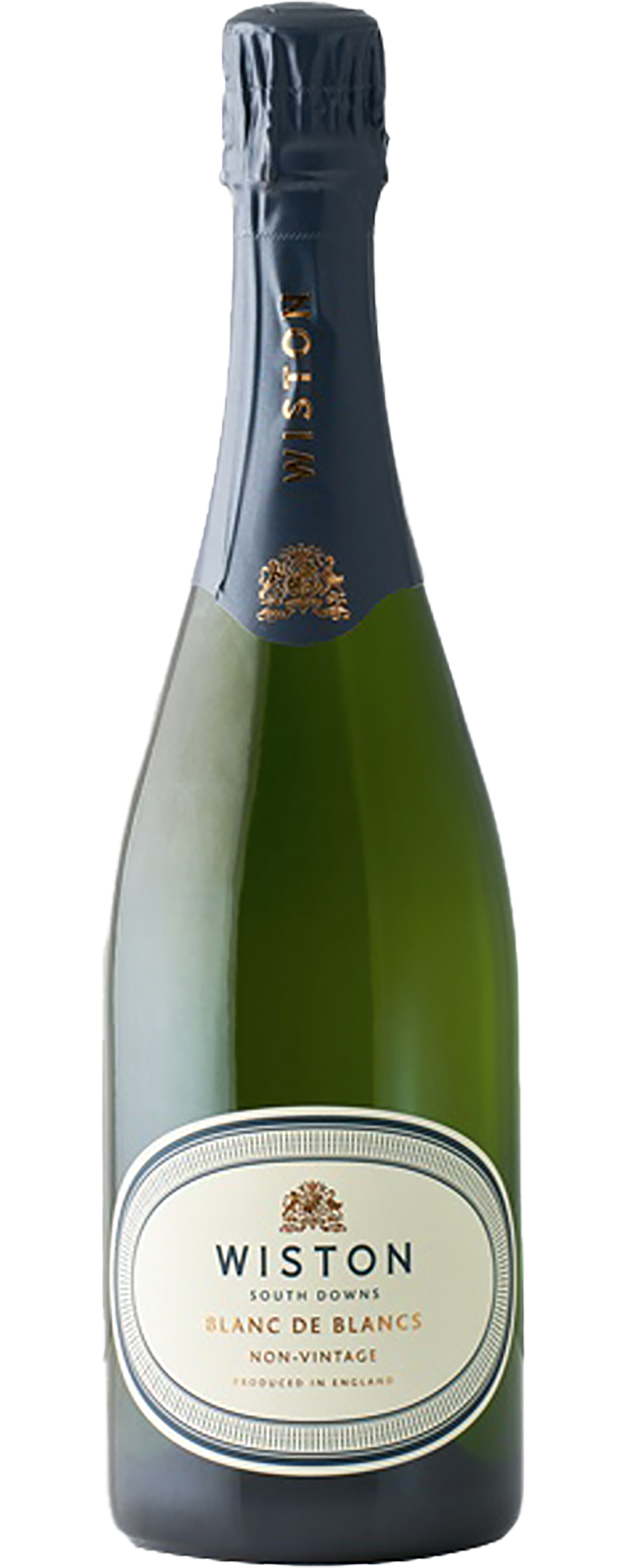
Wiston Estate is a family venture owned by the Goring family since 1743 and is presided over today by Harry and Pip Goring. The estate is managed by their son Richard, and he and his wife Kirsty are now in charge of the day-to-day running of the vineyard and winery. It was Pip’s long-held conviction that the estate held the potential to grow high-quality grapes, having grown up in South Africa’s winelands, and thanks to the South Downs’ similarities of soil and climate to Champagne. The original 16-acre vineyard, planted in 2006, was the fruit of Pip’s dream and tenacity. Today, under winemaker Marcus RaynerWard, the tight-knit team spares no effort in the vineyard or winery employing biodynamic principles, respecting nature’s cycles and fostering biodiversity. The vineyards lie on a south-facing chalk escarpment and are planted with Chardonnay, Pinot Noir and Pinot Meunier. The fruit is sourced from the estate’s own vineyards and a selection of long-term partner growers across the south-east of England.
VINEYARD:
The fruit for the non-vintage wines comes from the estate’s own vineyards and a selection of long-term partner growers. Chardonnay vines thrive on the chalky soils of the South Downs. Vines are trained in both pendlebogen and single guyot methods with cover crops between alternate rows (also alternated yearly) in order to help with soil health and reduce compaction, as well as promote biodiversity. Sheep are allowed to graze between the vines in the winter months, allowing their manure to decompose the vines. A Lipco tunnel sprayer is used, which recycles spray during the year, thereby reducing chemical use by 40% and also creating less spray drift. Biodegradable tie downs, home-produced compost, recycled pressed skins and pruned vine wood help to reduce carbon emissions and promote biodiversity. Grapes are all harvested by hand.
WINEMAKING:
The Chardonnay grapes are hand-harvested in late autumn and are pressed as whole bunches. The juice is fermented in stainless steel tanks before being allowed to rest on its yeast lees for 8 months, before being bottled the summer following harvest. At bottling, a portion of reserve wines (which date back to 2009) is added to make up 20-30% of the final blend. The wine then undergoes slow secondary fermentation in a bottle, and is kept on its lees, at a cool 9-11°C for around 3 to 4 years, allowing it to mature and take on flavours and structure through the process of autolysis. The bottles were riddled and disgorged, with a dosage of 8g/l.
TASTING NOTE:
Delightfully fresh with vibrant acidity and impeccable balance. Crisp green apple notes alongside white blossom, grapefruit and lemon zest. Delicate notes of white peach lead the way with flinty minerality and a hint of patisserie softness, clean and refreshing on the finish.
GRAPES:
Chardonnay 100%.
Only logged in customers who have purchased this product may leave a review.





Reviews
There are no reviews yet.