Description
PRODUCER:
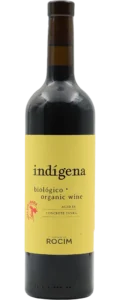
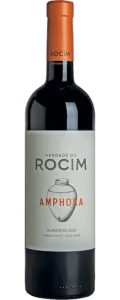
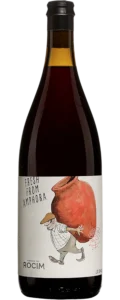
Herdade do Rocim is an estate located between Vidigueira and Cuba, in the Lower Alentejo. It comprises 120 hectares, 70 of which are made up of vineyards and 10 hectares of olive trees. Since its inception in 2000, Herdade do Rocim has invested heavily in the vineyards, replanting vines and introducing new varieties. They cultivate the vineyard sustainably and are associated with the Sustainable Program of the Alentejo Viticulture. They are pioneers in ‘amphora wines’, following the ancient traditions of vinification in pots known as ‘Talha’. The vineyard is cultivated manually and minimal intervention is used in the cellar, to produce fresh, elegant and mineral wines. In 2018, Herdade do Rocim was awarded Best Wine Producer by Revista de Vinhos.
VINEYARD:
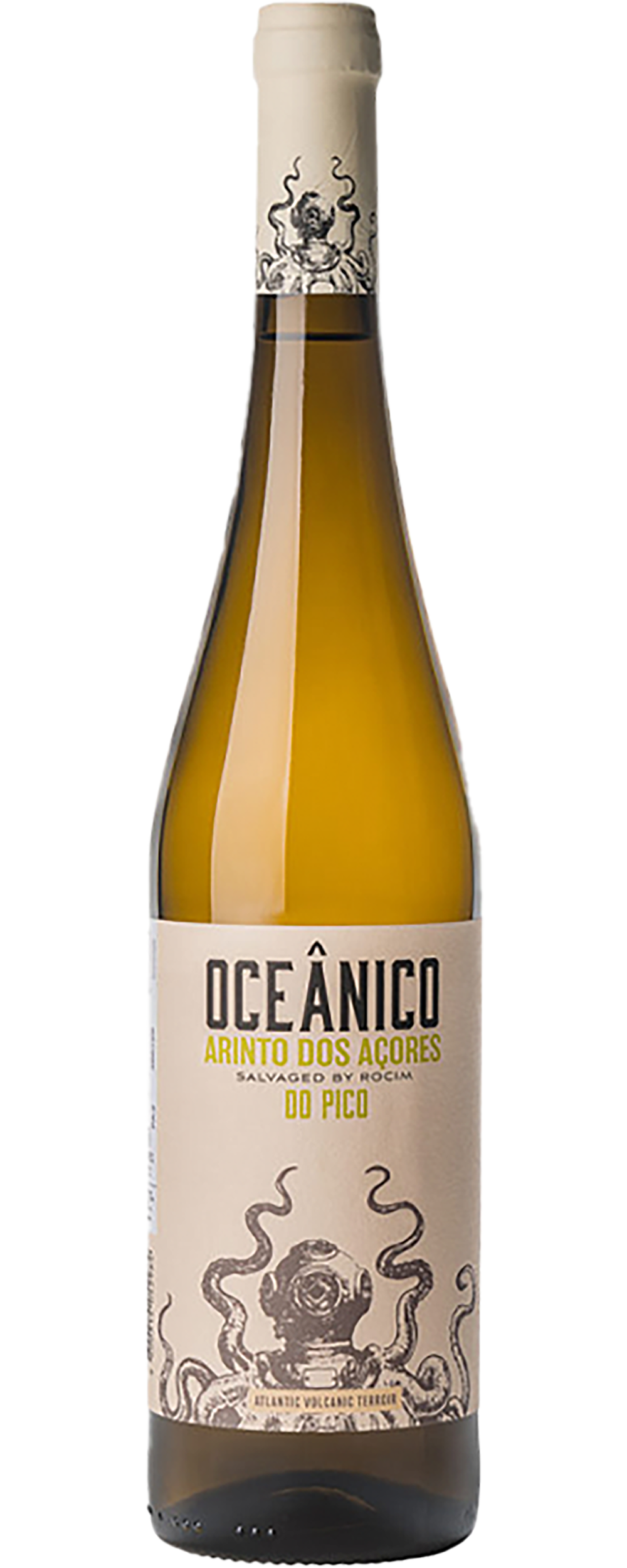
Located in the middle of the Atlantic Ocean, between Europe and North America, the Azores are made up of nine islands, parallel to Lisbon with the latitudes of 39”43 ‘/ 36”55’N. The Arinto grapes for this wine are grown in DOP Pico, Pico Island is the second largest and most ventral of the archipelago. The landscape features the eponymous volcano, Ponta do Pico, which is the highest mountain in Portugal, the Azores, and the highest elevation of the Mid-Atlantic Ridge. Pico is geologically speaking, the most recently formed island of the Azores, being around 300,000 years old. Wine production on the island dates back to the 15th century. The climate is a humid, sub-tropical climate with warm, rainy winters and warm, drier summers, but the constant sea breezes from the Atlantic help to keep the vines healthy. Pico is referred to as the Ilha Preta, the ‘Black Island’, due to its black volcanic soils, which nourish its UNESCO-designated vineyards, which today cover less than 1,000 hectares. The combination of the pure volcanic soil, with the extreme Atlantic influence, makes this wine region truly unique. The vineyards are surrounded and protected by basalt stone walls that resemble mazes and reduce the harsh effects of the Atlantic winds and saltwater. The vineyards are manually cultivated, and the grapes are hand-harvested at optimum maturity.
WINEMAKING:
This wine was made with low winemaking intervention. Fermentation took place spontaneously with indigenous yeasts in oak vats. Once fermentation was complete, the wine was then aged for six months in stainless steel tanks on the lees to impart a subtle texture.
TASTING NOTE:
A crisp and lively white island wine where refreshing citrus notes are enveloped by mineral nuances of flinty tones, sea breezes and bright salinity, that come together to reflect the unique origins of the Arinto grapes.
GRAPES:
Arinto 100%.
Only logged in customers who have purchased this product may leave a review.




Reviews
There are no reviews yet.